

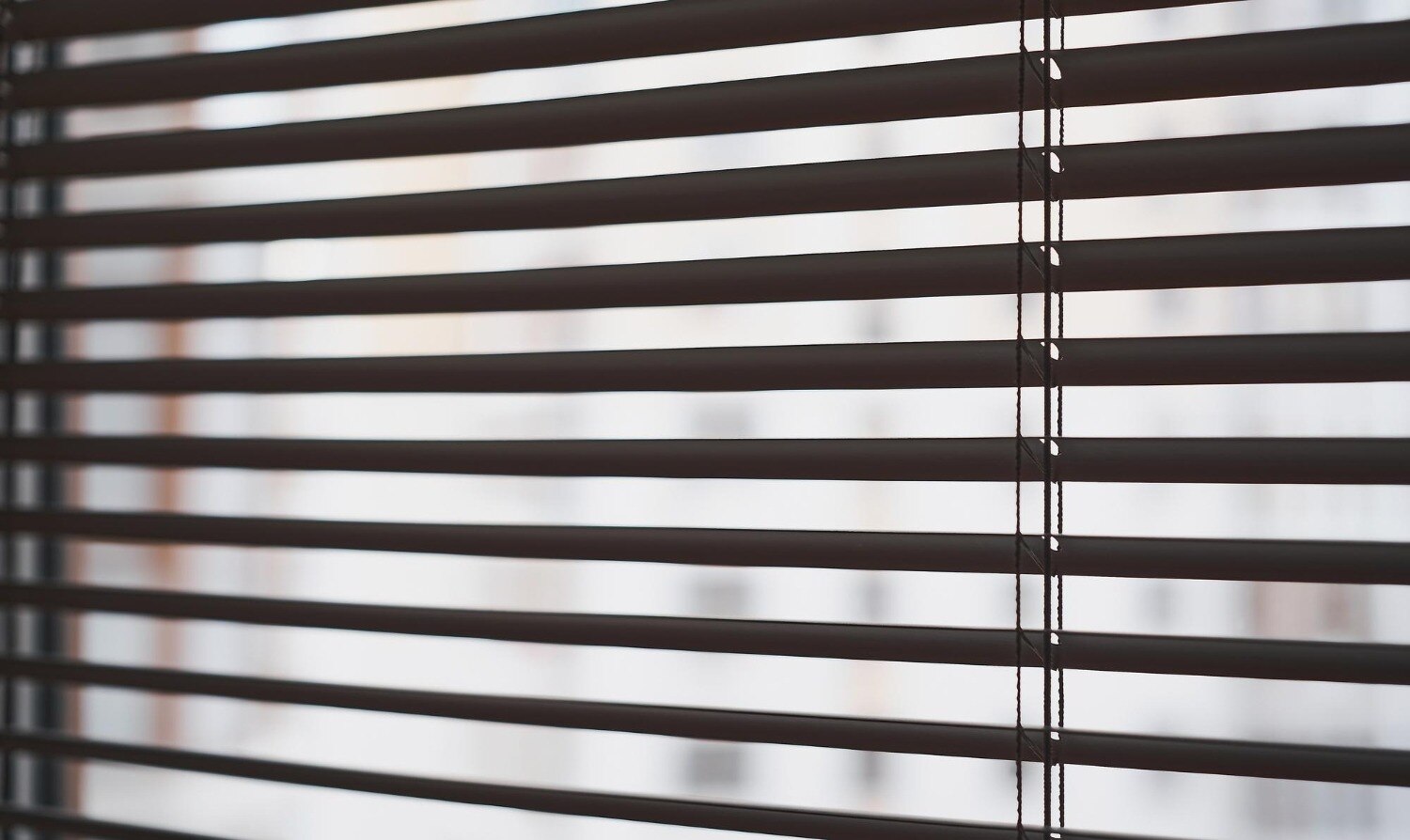
Best Blinds for Choosing Zebra Blind Opacity and Layer Position
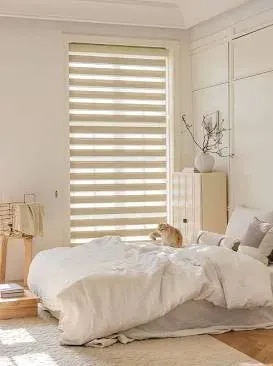
The right zebra blind depends on more than choosing a light or dark fabric. You need to match opacity to the room’s task, understand how the translucent and opaque bands align, and account for light leakage around the finished installation. By the end, you can compare samples, specify the correct mounting system, and identify when a zebra blind is unsuitable for the darkness or solar control you need.
Key takeaways
- Choose light-filtering fabric for softened daylight and reduced glare.
- Use room-darkening fabric for bedrooms, screens, and strong afternoon sun.
- Align opaque bands for privacy, but do not expect layer position alone to create blackout.
- Specify fabric opacity, window exposure, mounting, and side-light gaps before ordering.
How Zebra Blind Opacity Options Change the Light
Choose zebra blind opacity according to the light your room needs, not the darkest fabric available. Sheer or solar fabric preserves daylight and views; light-filtering fabric softens brightness; room-darkening fabric cuts glare; blackout fabric blocks the greatest amount of visible light.
Opacity optionLight resultBest useSheer or solarBright daylight, retained view, limited glare controlLiving rooms and…